
Whislist (0)
What is DO-160 aeronautical standard? Complete guide by Ecrin Systems

What is the DO-160 standard?

The DO-160 standard is an equipment qualification standard used in the aeronautical sector. It defines a set of methods and environments test for "airborne equipment" equipment.

It will guarantee that the on-board equipment (equipment categories as communication systems, flight instruments, safety equipment, computers, lighting, entertainment systems, ...) are able to operate safely and reliably whatever the mechanical climatic environments, atmospheric conditions, ... to which they are exposed.

If you are looking for a rugged computer with a long life cycle, protected against frequency, conducted susceptibility, frequency susceptibility radiated, induced signal susceptibility, induced transient susceptibility and so one,... to be installed in a helicopter or a patrol aircraft to perform for example a mission computer function and that it is already DO-160 pre-qualified, then a French manufacturer like ECRIN Systems offers ready to use systems with its Onyx Rugged computer product range.
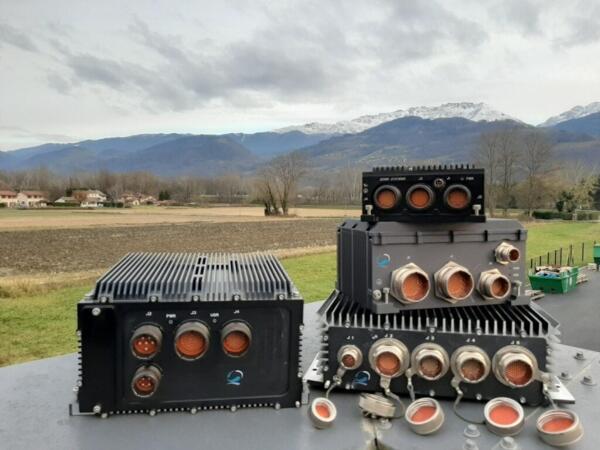
ONYX range of rugged calculators pre-qualified to DO-160 | ECRIN Systems

ONYX range of rugged calculators

The MIL-STD-810 and DO-160 qualified SWaP-C COTS and Modified COTS multi-mission computers range offers high flexibility in SWaP-C constraint environment and CPU/GPU/FPGA heterogeneous architecture for an optimised GFLOPS/Watt ratio.

Compliance with the DO160 standard

A manufacturer of Airborne equipment, of avionics system must be in conformity with these requirements of the DO-160 standard to obtain the certifications (U.s. Federal aviation administration "FAA", EASA in Europe or other air regulatory authorities worldwide) mandatory for any equipment installed in a commercial aircraft.

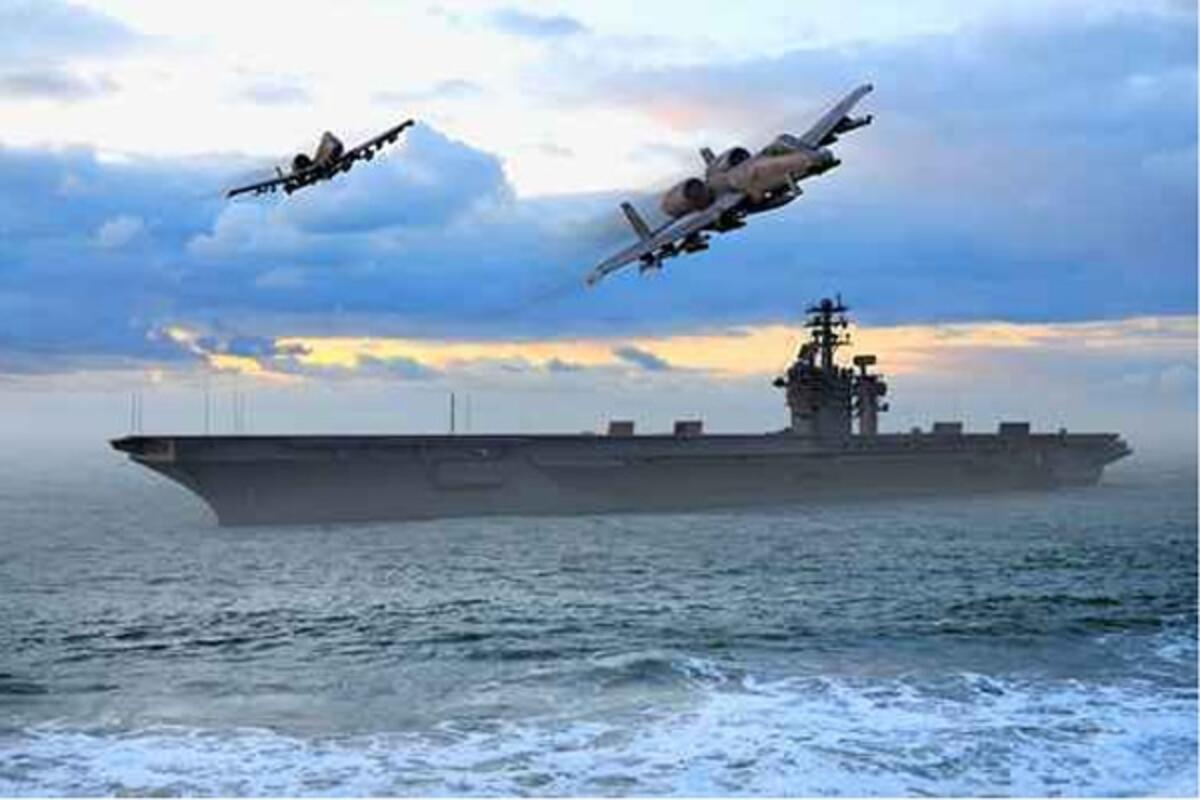
This standard is also widely used in the aerospace industry in general for the certification of private aircraft or helicopters, transport aircraft, cargo, ... military aircraft on-board equipment, ... thus ensuring the safety and reliability of aircraft.

This RTCA DO-160 standard was initially developed in 1975 by the RTCA Committee (Radio Technical Commission for Aeronautics) in collaboration with the FAA (Federal Aviation Administration) and the aviation industry.

It is regularly updated to meet the needs of the ever-changing aviation industry.

The equipment qualification tests in this DO-160 standard are divided into 26 categories "sections", each defining tests for a specific type of environment or measurement.

Examples of sections from the DO-160 standard:

  • Temperature and Altitude
  • Temperature Variations
  • Humidity
  • Normal Operation Shock and Crash Safety
  • Vibration
  • Explosive Atmosphere
  • Ingress protection
  • Fluid Sensitivity
  • Dust and Sand
  • Mold Resistance
  • Salt Fog
  • Magnetic Field Effects
  • Power Supply
  • Voltage Transients
  • Sensitivity to audio frequencies conducted by the power supply
  • Sensitivity to induced signals
  • Sensitivity to radio frequencies (radiated and conducted)
  • Radio frequency energy emission
  • Sensitivity to transients induced by lightning
  • Direct effects of lightning
  • Ice
  • Electrostatic discharges
  • Fire, flammability, etc.

Each of these environmental conditions is tested according to specific procedures to ensure that the avionics equipment can operate reliably in harsh aviation environments.

DO-160 test requirements may vary depending on the category of avionics equipment and its intended use.

DO-160 Aeronautical Standard - ECRIN Systems

How is the DO-160 standard implemented?

DO-160 testing is performed during the equipment development process, with measurements taken in dedicated laboratories specialized in testing services, by technicians and engineers with the environmental testing expertise and equipment to perform EMC (Electromagnetic Compatibility), climatic, mechanical, etc. testing.

Other standards used in the aeronautical sector

In addition to the RTCA DO-160 standard, other standards such as MIL-STD are also used in the aeronautical sector for the qualification of equipment. Aircraft manufacturers such as Airbus, Boeing, etc. also have specific requirements for the on-boards equipment's in their aircraft.

We can also mention the explosive atmosphere directive used (ATEX) to regulate the use of equipment in explosive atmosphere environments, such as passenger aircraft.

The Air Transport Association (ATA) is a U.S. association of states, airlines companies, certification authorities and aeronautics manufacturers.

The ATA works on specifications and documentation standards in civil aviation and defines, for example, the rules, diagrams,... for the production of "Flight Operations Manuals" or "Flight Ops".

What are the main differences between DO-160 and MIL-STD-810 standards?

By schematizing, we could say that DO-160 is designed to test aeronautical equipment while MIL-STD-810 is used to test ground equipment. Some of the tests are similar, but each standard also has specific tests dedicated to their field of application.

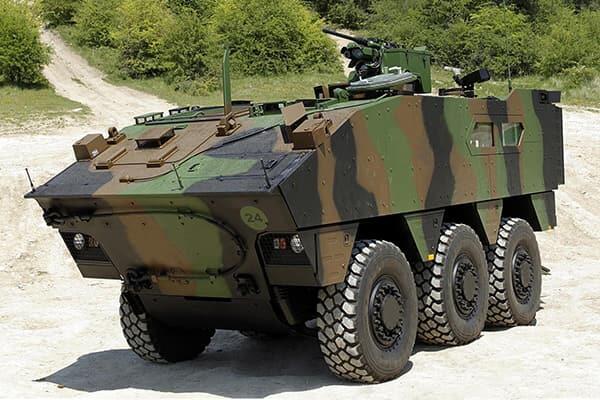
For example, DO-160 tests will include aviation-specific conditions, such as the vibrations of an aircraft in flight, while MIL STD 810 tests will address environmental conditions such as sandstorms or high temperatures that an armoured vehicle may be subjected to, but this standard does not include EMC testing.

In broad terms, DO-160 = MIL-STD-1275 + MIL-STD-461 (the latter also covering aerospace & naval areas).

CONDOR GR5SL-B5000 video processing system | ECRIN Systems

MIL-STD-810 qualified products

  • For Video Acquisition GPU (Acquisition, Traitement vidéo, GPU)
  • Are available in different form factors as XMC, VPX, PCI Express, stand-alone, Air cooled & Conduction cooled versions.
  • They are ready to be integrated in a rugged system operating in extreme environments.
Armoured vehicles - DO-160 standard guide | Ecrin Systems

The importance of the DO-160 standard in the aeronautics industry

In summary, we could say that the DO-160 standard is very comprehensive, covering a wide range of environmental conditions and tests to detect and correct any defects in electronic equipment before it is used on board.

The DO-160 standard is internationally recognised and widely used in the aerospace industry. Electronic equipment that complies with this standard is therefore often more readily accepted by customers and certification authorities.

On the other hand, all these tests (EMC, mechanical climatic, etc. and other sections) can be demanding, time-consuming and very costly for an SME, and they are also likely to result in more complex designs and delays in product development.

Some points in the DO-160 standard are sometimes subjective and can also lead to different interpretations between certification bodies and manufacturers.

The DO-160 standard is a benchmark in the aerospace industry, crucial for ensuring the safe and reliable operation of electronic equipment in harsh environmental conditions, thereby ensuring the safety of passengers and crew.

To find out more, our teams, with over 50 years of expertise, are at your disposal to discuss all these aspects with you in greater detail. Contact us.